
Our Impact
What the programmes have delivered so far — the numbers, the states, and the work behind them.
Impact So Far
The numbers behind the work
Since April 2022, across four states in North Central Nigeria. Every figure below comes from programmes ZFH runs directly, in communities where our teams work.
-
,000
Vulnerable households supported through food assistance programs.
-
,000
Smallholder farmers empowered through agricultural interventions.
-
,000
Households protected through malaria prevention programs.
-
,000
Mothers supported through maternal health initiatives.
-
,000
Malnourished children reached with nutrition interventions.
-
,000
Adolescent girls educated on menstrual health and hygiene.
How We Measure It
Counted in households, not headlines
We work where the roads run out. Our teams reach households directly — distributing, training, screening, teaching — so the numbers on this page are people our staff and volunteers met, not estimates drawn from a desk.
- Community-driven: programmes are designed with the communities that use them.
- Evidence-based: every outreach is recorded, and the records are what you see here.
- Accountable: a registered foundation, reporting honestly on what support achieves.
2022Serving since
Where We Work
Four states across North Central Nigeria
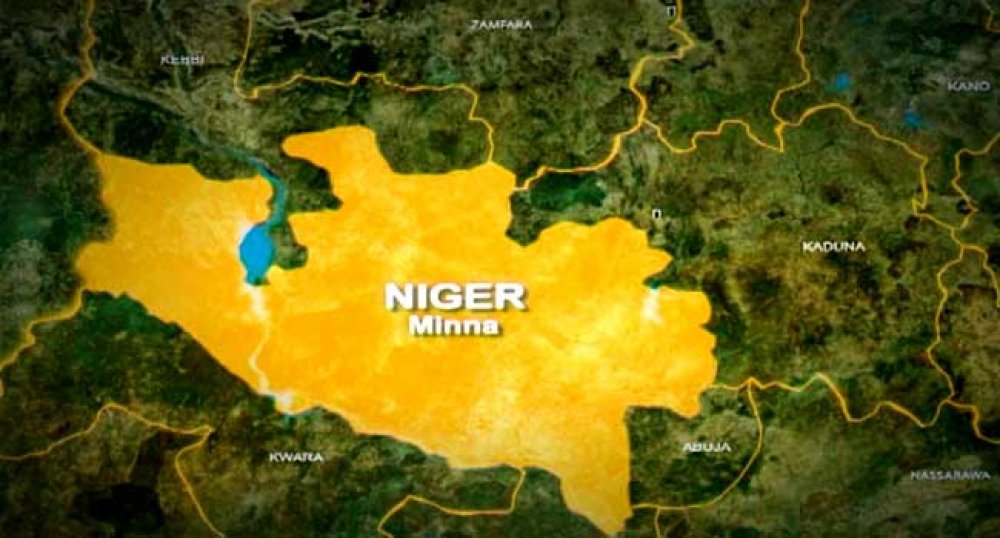 2K+
2K+Niger State
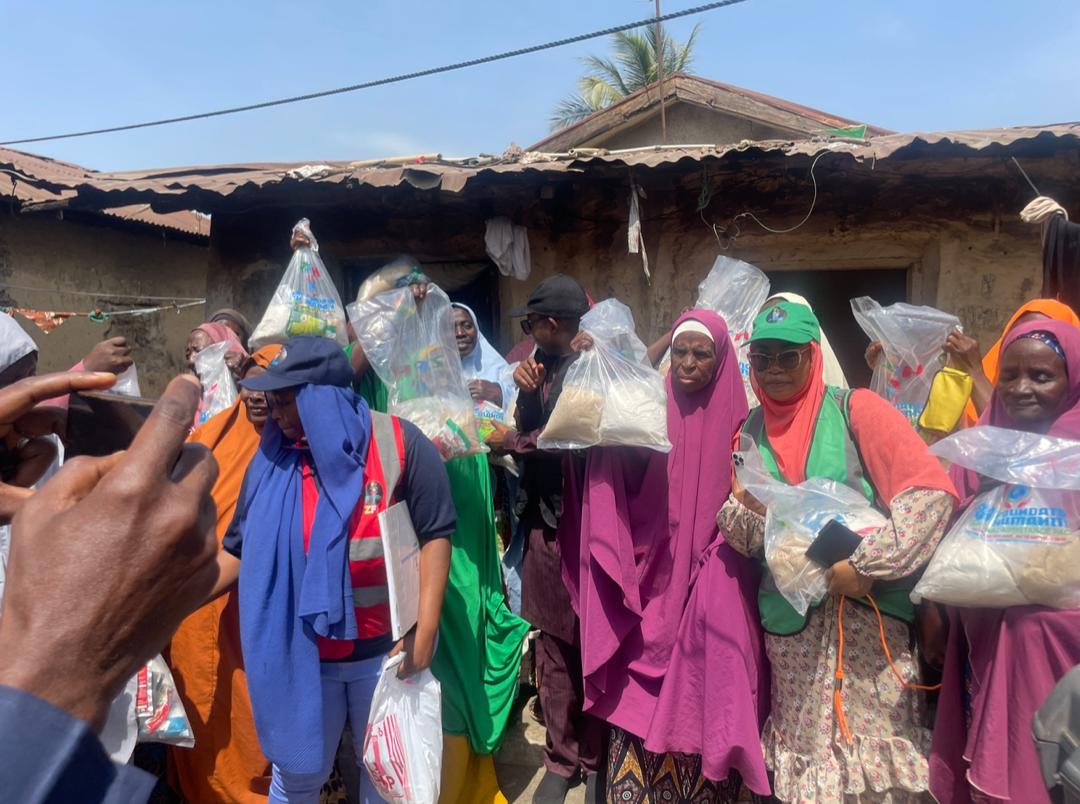
Food packages distributed to over 2,500 households under the Nutritional Assistance Program.
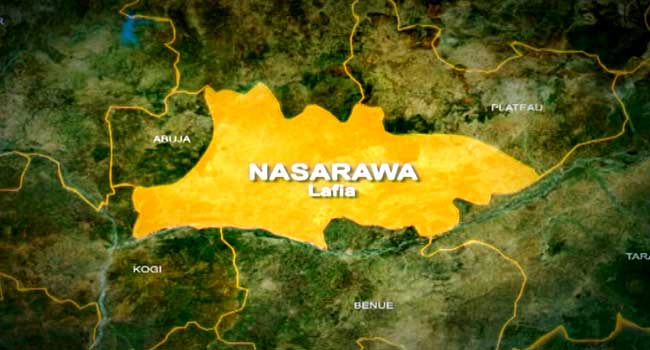 2k+
2k+Nasarawa State
School classrooms renovated and WASH facilities installed through the GREAT education programme.
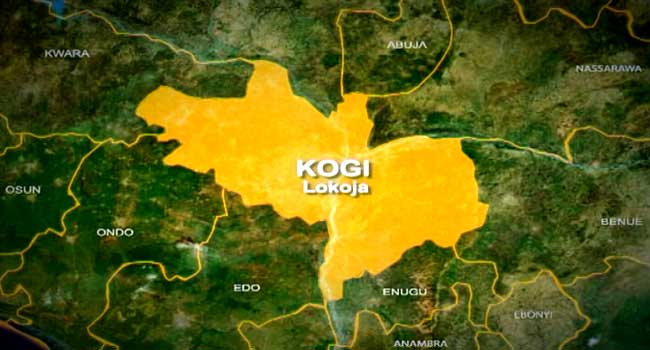 4k
4kKogi State
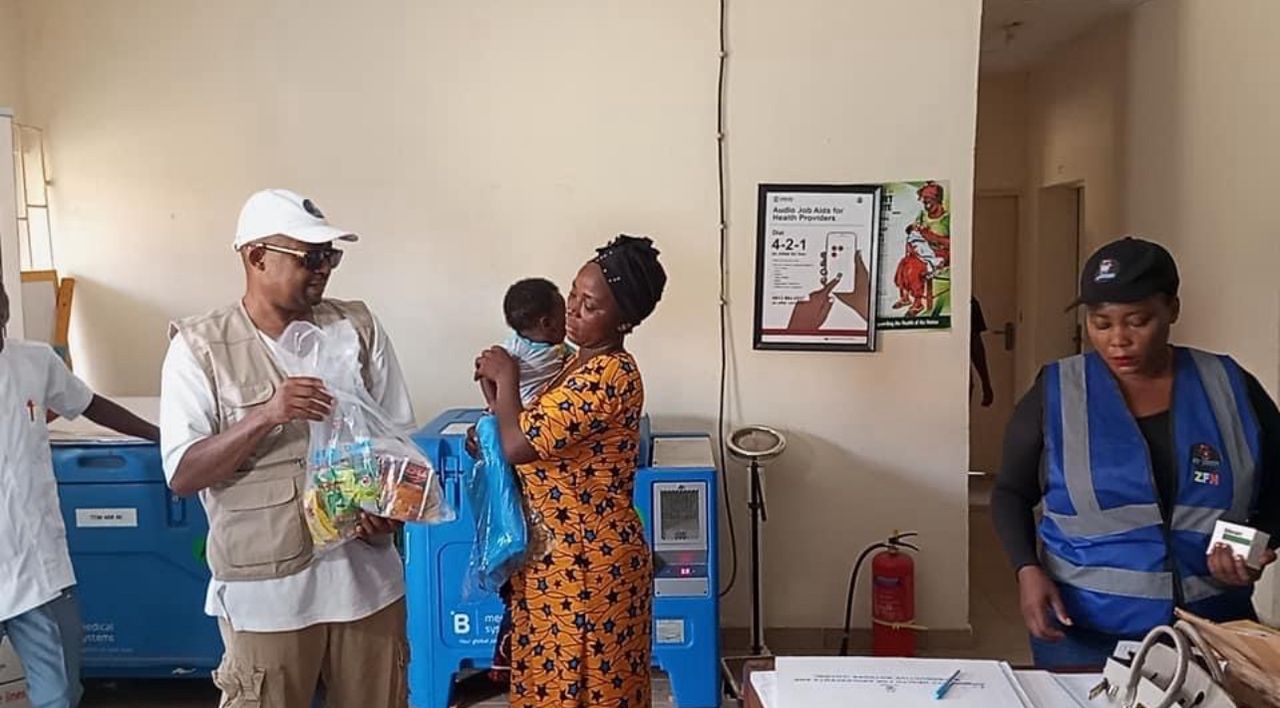
Antenatal drugs and food packs delivered to hundreds of pregnant women under CHARM.
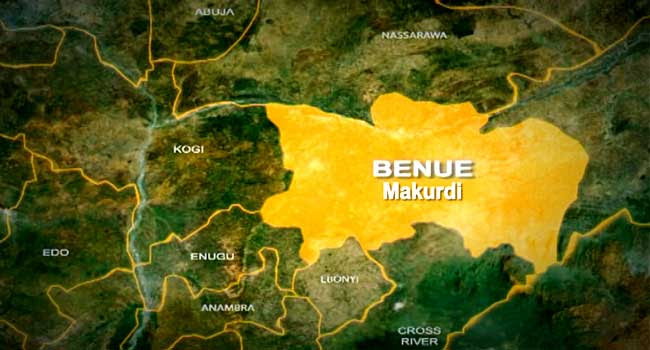 1K+
1K+Benue State
Support for malnourished children, and health awareness on STIs and HIV.
By Programme
Eight programmes, one aim
Each one tackles a different face of the same problem, and they are designed to reinforce each other — a food outreach is also a health talk, a farmer training is also a conversation about girls in school.
NAP
Nutritional Assistance Program
Monthly food distributions to households facing the sharpest food insecurity, with nutritional support for malnourished children.
RAID
Resilience for Agricultural Innovation and Development
Training, seedlings, fertilisers, tools and microloans that move smallholder farmers from relief to a living.
CHARM
Community Health for Adolescents and Reproductive Mothers
Free antenatal drugs, nutrition for pregnant women, and care for adolescent girls and young mothers.
CAMP-C
Creating Awareness on Malaria Prevention and Control
Prevention campaigns and awareness of malaria, HIV, hepatitis, leprosy and STDs in rural communities.
FLOW
Feminine Learning Outreach for Wellbeing
Menstrual hygiene education and sanitary materials for girls in rural schools, so periods stop ending schooling.
GREAT
Galvanizing Resources for Educating Adolescents and Teachers
Renovated classrooms, water, electricity and toilets, plus support for the teachers who staff them.
LIFE
Liquid Infrastructure for Families and Environment
Water, sanitation and hygiene infrastructure for families and the communities around them.
CHAPT
Climate and Hunger Alliance in Planting Trees
Tree planting that combats climate change and hunger together, with the community doing the planting.
On The Ground
See what a day of this actually looks like
Outreaches, health campaigns and farmer trainings, filmed on the day. The gallery has the full photo archive and the video channel.
Grow These Numbers
Every figure here started as someone deciding to help
Give
₦5,000 feeds a vulnerable child; ₦25,000 carries a household through a hungry month.
Volunteer
Health workers, teachers, media, researchers and farmers — six roles, and the field experience that comes with them.
Partner
Foundations, corporates, agencies and academic institutions — six ways to build something together.
